What Actually Sets a Bull’s Sale Price? 21,000 Sales Have an Answer
When a bull brings a strong price at auction, what is the market actually paying for? We looked at more than 21,000 real bull sales to find out — and the answer says as much about a rancher’s reputation as it does about his cattle.
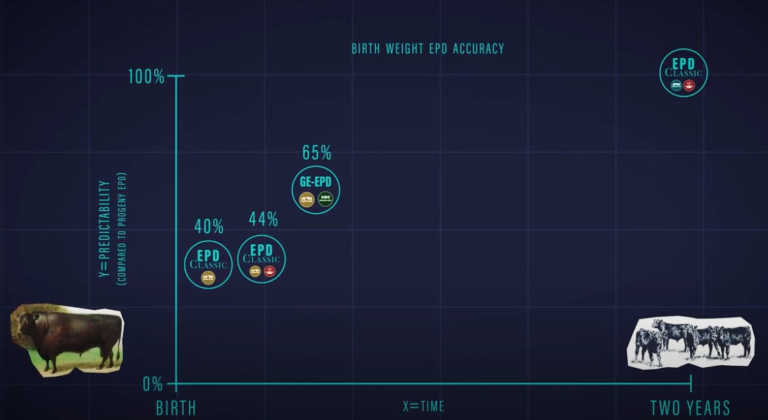
For years the accepted wisdom in the seedstock business has been an arms race on EPDs — the Expected Progeny Differences that predict a bull’s genetic contribution to growth, carcass, and maternal traits. Chase the highest spreads, the thinking goes, and the price follows.
We wanted to know whether the data actually backs that up. So we gathered a national cross-section of real bull sales — not one sale or one region, but video auctions, production sales, and state association reports from 2015 through 2026 — and worked out, from everything recorded about each bull, what genuinely moves the final price. Then we did the part most market write-ups skip: we tried hard to prove ourselves wrong before trusting the answer. What follows is only what held up.
What actually drives the price, ranked
When you line up every measurable factor and let them compete, a clear order emerges — and the genetics paper is not at the top.
- The sale a bull is inThe single auction or production sale explains roughly half of the price on its own. A well-marketed sale with the right buyers in the seats lifts every bull that walks through it.
- The program & reputation behind himWho raised and consigned the bull — the ranch’s name, track record, and trust with buyers — adds a substantial premium on top of the sale itself.
- His sire & lineageGenealogy matters — but once a buyer is already inside a given sale, a bull’s sire adds only a few points to the price, not the dominant share raw comparisons suggest.
- The EPD numbersAmong the bulls a buyer is actually choosing between in one sale, the EPD spread moves the price only slightly — with one modest exception below.
The one number the market does pay for
Not all EPDs are equal in the buyer’s eye. When we compared a sire’s own sons head-to-head, exactly one number carried a real, repeatable premium: $B, the Beef dollar index — the composite that rolls feedlot and carcass value into a single figure. Higher-$B sons of the same sire do bring a bit more, and that held up against every test we ran.
The classic growth numbers — birth weight, weaning weight, yearling weight — showed no meaningful price premium at all once we compared apples to apples. They’re table stakes for getting a bull into the conversation, not a lever on the final bid. The market has quietly moved its dollars toward carcass and total-value merit, and away from the growth-spread race.
What this means if you’re buying
- Numbers keep you honest, not broke. A sound EPD profile — especially on carcass and $-indexes — tells you a bull belongs in the set. But don’t overpay for the last few points of a growth spread; the market itself doesn’t.
- Judge the program, not just the paper. The premium you pay in a top sale is buying more than one animal — it’s buying a breeder’s selection decisions, honesty, and willingness to stand behind their cattle. That’s real value, and the price data reflects it.
What this means if you’re selling
Here’s the part that matters most — and the part you can’t shortcut. The reason the program outweighs the paper is trust, and trust is built slowly. Buyers come back to an outfit they’ve gotten comfortable with, because they know exactly what they’re getting. A recognized program isn’t a marketing trick; it’s years of consistent, honest cattle earning the benefit of the doubt.
- Consistency is the asset. The bull that brings a premium usually isn’t the one with the flashiest single number — it’s the one from the outfit that has delivered the same quality, year after year, until buyers trust the brand on the tag.
- Reputation compounds — but only over time. You can’t buy it with one hot EPD or one standout bull. You earn it a calf crop at a time. Once it’s built, it lifts every lot you sell, every year.
- Genetics get you in the door; consistency keeps buyers coming back. Sound, verifiable numbers and documented lineage earn a spot in a strong sale. Showing up with that same quality every single year is what turns a first-time buyer into a repeat one.
Why this matters to us
At Rafter 9, we raise Angus seedstock in Fallon, Nevada, and we’re building for the long haul — the same lineage work, the same honest data, the same kind of cattle you can count on, year after year. This analysis only confirmed what we already believed: the market rewards a program buyers can trust, and that trust is earned slowly, through consistency. That’s the business we’re in — and it’s the kind of bull we want standing in your pasture.
Looking for your next herd sire?
We raise registered Angus bulls and seedstock with documented lineage and honest EPDs. Tell us what you’re building toward and we’ll help you find the right fit.
Bull & Seedstock InquiryPart of our guide: Angus EPDs & Seedstock Selection: A Rancher’s Guide